Iredell County Sheriff Launches “Church Shield”
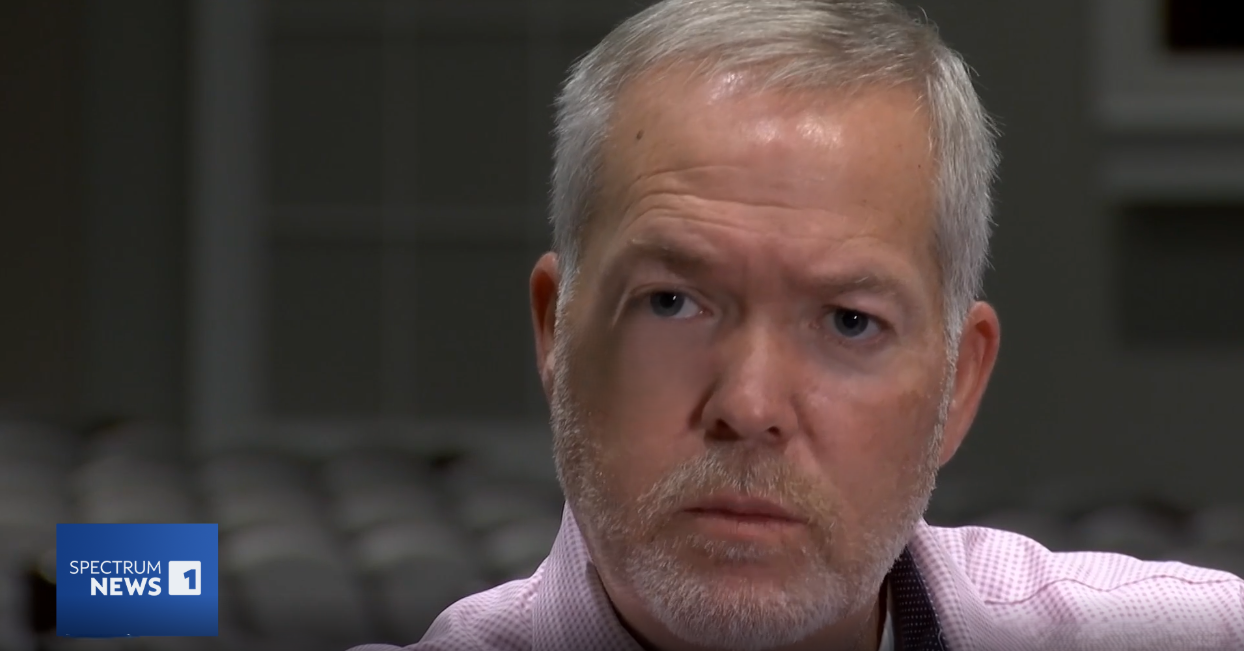 Inside ‘Church Shield’: How an N.C. sheriff is preparing congregations for the next active shooter
By
With mass shootings continuing to devastate communities across the country, an Iredell County sheriff is expanding efforts to protect one of the most vulnerable public spaces — churches.
Sheriff Darren Campbell has launched “Church Shield,” a free active shooter training program designed for congregations across North Carolina.
The initiative, Campbell said, was inspired by the 2015 shooting at Emanuel AME Church in Charleston, South Carolina, where nine worshippers were killed in a racially motivated attack.
“It was a simple person that was welcomed in the church saying a prayer and then up and killing all the people in Charleston. And that’s what got me to thinking that our churches are very vulnerable and they’re too trusting,” Campbell said.
Vulnerabilities inside places of worship
Campbell points out that the design of many sanctuaries can create added risk. Pews often face away from entryways, leaving congregants unaware if a threat enters the building.
“If a threat came in the back door, usually the first person to see it would be the pastor,” Campbell said. “There needs to be a signal with your media people or the people to run your soundboard or code word. That instantaneous, they would know there’s a threat because most of your congregations can be facing the opposite way.”
Campbell said his team studies incidents in other states, including Texas, where quick action from prepared congregants helped save lives.
“What worked? Why did somebody — like I said — why did somebody survive this in another state? And what can we bring here? What made them be safe? Where was the mess-up? Could they not evacuate church?” Campbell said.
A growing concern
According to reporting by outlets including The New York Times, BBC and ABC at least seven major church-related shootings have occurred between 2015 and mid-2025. They span from South Carolina to California, and most recently in Kentucky.
Campbell said churches face unique risks because of their culture of openness.
“I think it’s the level of trust is one thing. I think it’s the open door policy that all churches pretty much have,” he said. “And I think it’s the age gap from young to old and it’s people that’s knew their neighbors for years and years, and they’re never going to ask uncomfortable questions and never going to think that, hey, we should be suspicious of this person.”
For Campbell, even one shooting is one too many.
“Proactive versus reactive and any way we can help people and elevate their chance to survive. And we want to do that because it’s hard, nationally, it’s hard to stop a lone wolf gunman, if you will. But we want to do everything we can to mitigate the losses, and that’s why we do the program,” he said.
Training for survival
While Campbell wouldn’t disclose every detail of what participants learn, he emphasized that even small steps can make a difference — like knowing the nearest exits, creating a code word and calling 911 as quickly as possible.
So far, Campbell said more than 700 congregations across the state have participated in the training. The next session is scheduled for September 1.
 Previous