North Carolina’s Economic Momentum: Workforce, Manufacturing, and Community Investment Drive Growth

North Carolina continues to strengthen its position as one of the nation’s leading destinations for business investment, driven by record-breaking job creation, strategic workforce development, and a growing commitment to community infrastructure and quality of life.
 Speaking at the Greater Statesville Chamber of Commerce’s recent Lunch & Learn event presented by the Iredell Economic Development Corporation, North Carolina Commerce Secretary Lee Lilley highlighted the state’s exceptional performance over the past two years. Since early 2025, North Carolina has announced approximately 49,000 new jobs and $38 billion in capital investment, while maintaining its reputation as one of the top states in America for business and economic development.
Workforce Remains the Deciding Factor
According to Lilley, the single most important factor influencing corporate location decisions is talent.
Companies considering expansion or relocation consistently ask one question first: “Can we find the workforce we need?” North Carolina’s nationally recognized workforce development system, supported by its community colleges, continues to provide a competitive advantage.
The state’s 58-community-college network enables customized training programs tailored to industry needs, helping businesses access skilled workers more quickly and reducing operational risk.
“Workforce development is our most important economic development tool,” Lilley emphasized, noting that incentives alone rarely determine where companies invest.
Manufacturing Fuels Growth
Manufacturing remains the foundation of North Carolina’s economic success.
The state has benefited from the resurgence of domestic manufacturing, particularly in high-growth sectors such as:
• Aerospace
• Advanced manufacturing
• Pharmaceuticals and life sciences
• Energy technologies
• Defense innovation
North Carolina has become a national leader in pharmaceutical manufacturing, and major investments across both urban and rural regions continue to strengthen supply chains and create high-paying jobs.
The state is also capitalizing on its strong research ecosystem. North Carolina is currently the only state with three National Science Foundation Innovation Engines focused on regenerative medicine, textile innovation, and energy technology commercialization.
Rural Communities Are Seeing Results
A significant share of announced investments has occurred outside major metropolitan areas.
Lilley noted that approximately 68% of recently announced jobs have been located in Tier 1 and Tier 2 counties, North Carolina’s most economically distressed regions.
While rural communities continue to face challenges, particularly in workforce availability and infrastructure capacity, local leaders are finding success by aligning existing workforce strengths with industry opportunities and leveraging regional partnerships.
Key priorities for rural competitiveness include:
• Workforce recruitment and retention
• Water and wastewater infrastructure
• Housing development
• Broadband and transportation improvements
• Regional collaboration
• A Broader View of Economic Development
The Department of Commerce’s “First in Opportunity” strategic plan expands the traditional definition of economic development.
In addition to workforce, infrastructure, and innovation, the state has added community well-being as a strategic pillar. This focus includes:
• Affordable and workforce housing
• Healthcare access
• Early childhood education and childcare
State leaders increasingly view these quality-of-life factors as essential economic development assets.
Businesses looking to invest in North Carolina want assurance that employees can find housing, access healthcare, and secure reliable childcare. Without those resources, communities struggle to attract and retain talent.
Recovery Continues in Western North Carolina
More than two years after Hurricane Helene devastated Western North Carolina, recovery remains a top priority for state leadership.
Lilley described overall recovery progress as positive, citing:
• Reopened roads and bridges
• Recovering tourism activity
• Stable sales tax collections
However, workforce shortages and housing challenges remain significant concerns.
To accelerate rebuilding efforts, the state has committed funding for hundreds of affordable housing units across the region and continues developing additional workforce housing initiatives.
Long-term recovery efforts are also focused on diversifying local economies through manufacturing, healthcare, and other sectors that can complement the region’s historically tourism-dependent economy.
Looking Ahead
Looking forward, North Carolina is positioning itself to capitalize on several emerging opportunities:
• Defense manufacturing and innovation
• Energy infrastructure and technology
• Data center-related supply chain manufacturing
• Life sciences expansion
• Advanced materials and fiber-optic production
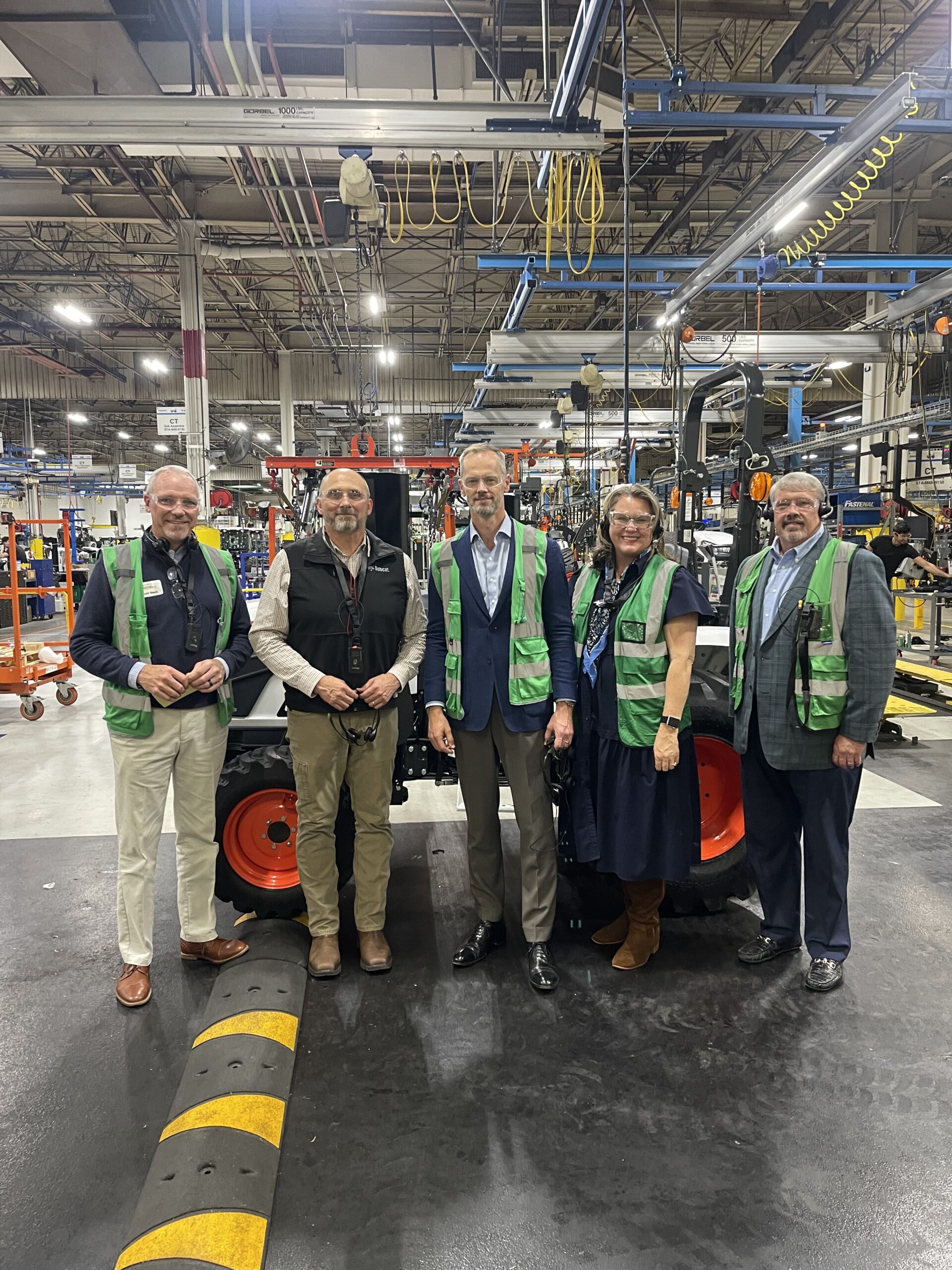 While competition among states remains intense, North Carolina’s collaborative approach continues to stand out. State agencies, local governments, educational institutions, utilities, economic developers, and private industry work together to create an environment where businesses can grow and communities can prosper.
For investors and business leaders, the message was clear: North Carolina’s economic strategy is no longer centered solely on recruiting companies. It is focused on building the workforce, infrastructure, innovation ecosystem, and community assets that sustain long-term growth across every region of the state.
Bottom Line: North Carolina’s continued success is being driven by a powerful combination of talent development, manufacturing strength, public-private collaboration, and investments in community well-being. As the state continues to attract new investment and talent, these foundational advantages position it for sustained economic growth well into the next decade.
 Previous